Get in touch
To book any of the appointments please text or send me an email.
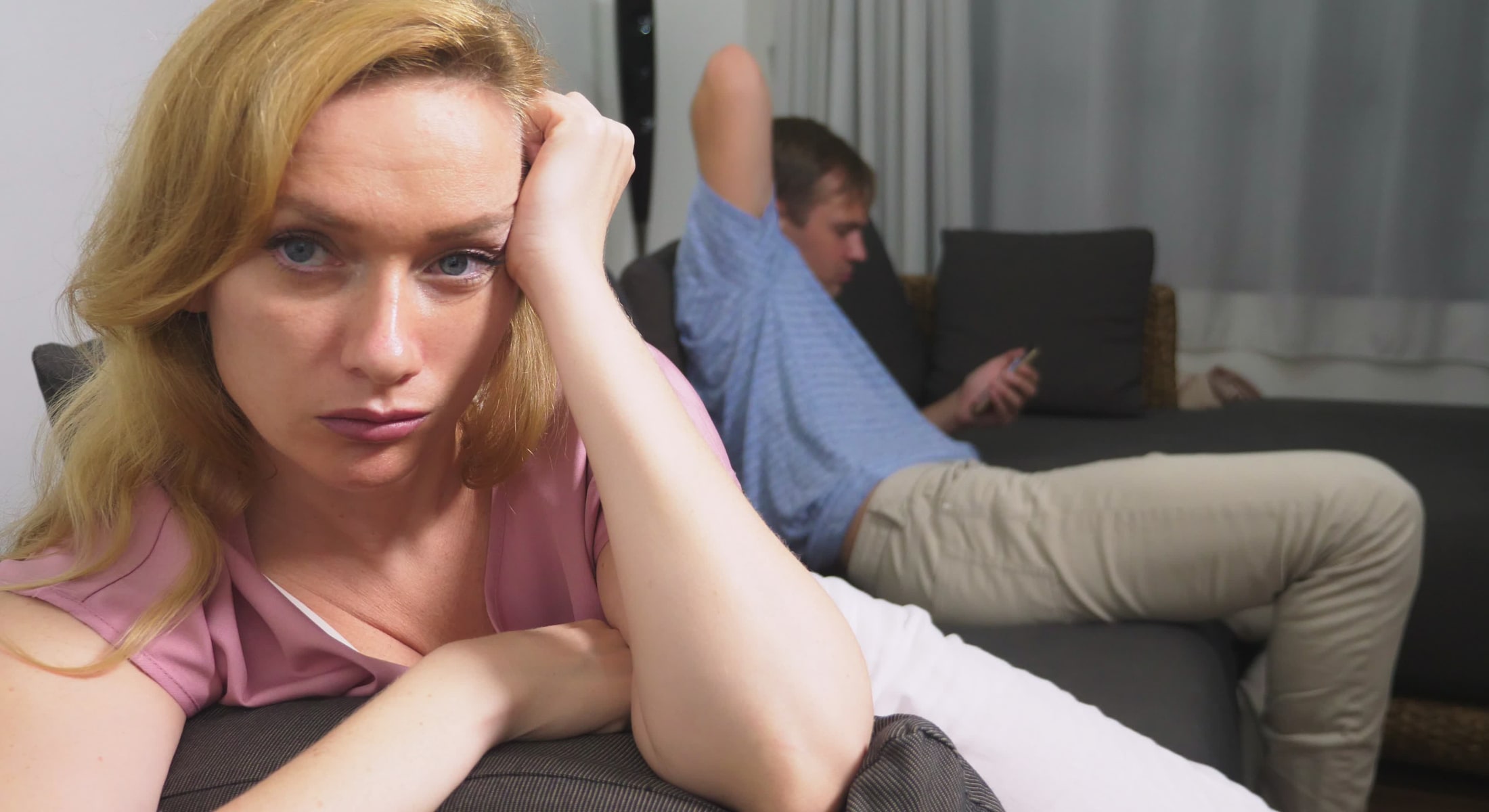
Do you feel stuck in a rut or are you walking on egg – shells around one other? Have you stopped having fun or do you prefer to avoid each other as much as possible? Do you rarely show affection towards one another or has intimacy become a problem between you both?
If you answered yes to any of these questions, it may be time to think about investing some time in couples therapy.
All too often, our primary relationship can suffer as life gets in the way. You may have stopped investing time and energy into yours as work and family pressures have taken priority. What once worked well between you both doesn’t seem to anymore.
Most people avoid dealing with relationship problems head on, often choosing to ignore them, in the hope that they will sort themselves out or eventually go away. Sadly, they don’t, and can lead to one or both of you feeling unhappy and resentful towards one other.
Learning how to manage conflict is part of everyday life. Couples therapy can help you learn how to communicate better with one another and in a way that doesn’t make you feel under attack or need to defend your viewpoint. Learning how to manage conflict in your relationship is both healthy and essential, because having a difference of opinion is not actually the problem, it’s the how you manage it that is.
Dealing with conflict creates not only a better understanding of one another, but also encourages intimacy and a stronger emotional connection, as understanding one another through the various phases of your relationships is vital in creating or reestablishing trust and stability.
As a trained couples therapist , I work alongside individuals and couples who may be in a new relationship, a long-term relationship, or not in a relationship at all but would like to learn how to be. I offer support, guidance and direction to help you through major crises or a situation that is perhaps making you unhappy.
Your sessions will enable you to move your relationship forward to a more positive and fulfilling one, in which you learn how to prioritise yourselves and each other in order to build a better more loving partnership.
Is what I say in therapy confidential?
Yes, with some important exceptions.
Confidentiality means:
The exceptions include:
Risk of Serious Harm
If I believe that you or someone else is at serious risk of harm, I have a professional and ethical duty to take appropriate action to help prevent that harm.
Child Protection
If there are concerns about the safety or welfare of a child, I am legally and ethically required to report these concerns to the appropriate authorities.
Legal Requirements
In rare circumstances, a court may require the disclosure of information.
Clinical Supervision
I discuss my clinical work within confidential professional supervision to ensure safe and effective practice. Your identity is not disclosed.
I will explain confidentiality and its limits in more detail during our first session.
There is no special preparation needed. Just come as you are.
Some people find it helpful to think about:
If you arrive without having thought about any of this, that is absolutely fine. I will guide the conversation and help you explore what feels important.
Your first session is about getting to know each other and understanding what you are hoping to achieve through therapy.
As your therapist, I will:
We will also discuss:
There is no pressure to share more than you feel comfortable sharing. This session is as much about you getting a sense of whether I am the right therapist for you as it is about me getting to know you.
For individual therapy, sessions are typically one-to-one. However, if you are feeling particularly anxious or have specific needs, please discuss this with me when booking.
For couples therapy, both partners should attend together.
Once therapy has begun, we will usually schedule your next appointment at the end of each session. You can also contact me by email at therapy@lindsaygeorge.co.uk or by text on 07929 523038 to arrange or adjust appointments.
Missed sessions without notice are charged in full.
I understand that unexpected situations arise, but please communicate with me if you are unable to attend. If there are ongoing difficulties with attendance, we can explore together what may be contributing to this. Sometimes attendance issues can form an important part of the therapeutic work itself.
The frequency of sessions will depend on your needs, goals, and what I recommend following our initial discussions.
Common arrangements include:
We will discuss what feels most appropriate for your situation and can adjust this as your needs evolve.
I am a registered member of the British Association for Counselling and Psychotherapy (BACP).
As part of my professional commitment, I:
Yes, I am recognised by WPA.
Please note:
I am happy to support you with insurance-related administration where possible, but the financial responsibility remains with you as the client.


The BACP is the leading professional body for counselling and psychotherapy in the UK, ensuring high standards of practice and ethics.
To book any of the appointments please text or send me an email.