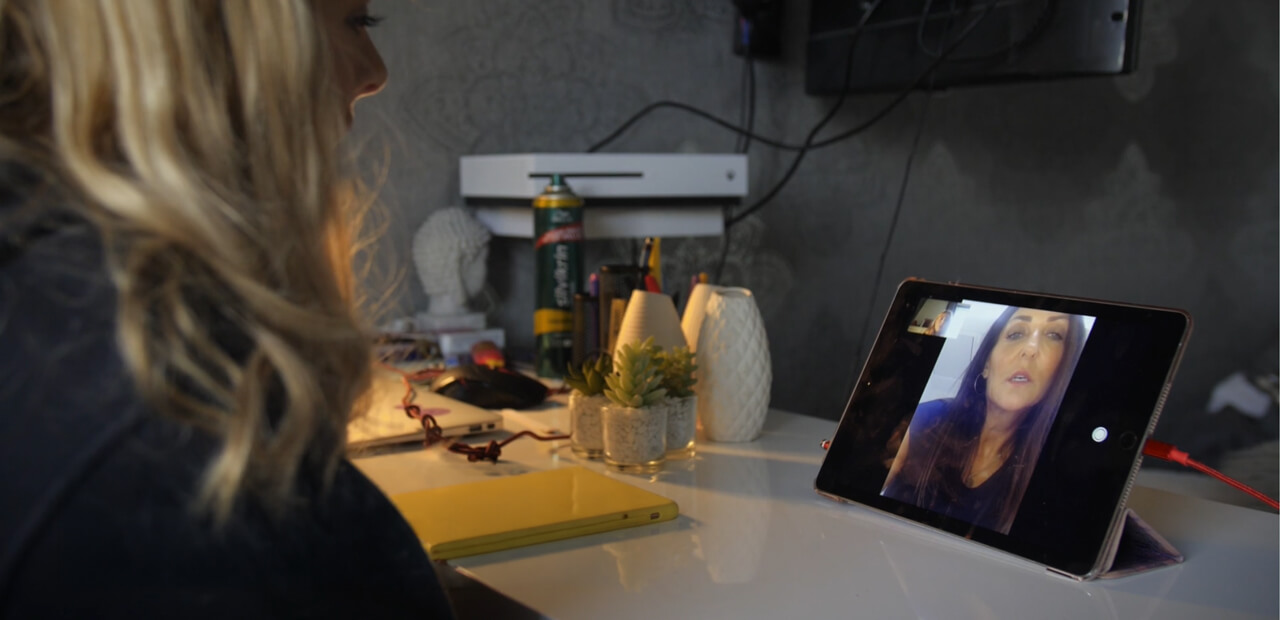
Get in touch
To book any of the appointments please text or send me an email.

Life can be challenging, and there are times when we all need a space to pause, reflect, and make sense of what we're experiencing.
One-to-one counselling and psychotherapy offers a confidential, supportive environment where you can explore your thoughts, feelings, and concerns at your own pace.
Whether you're struggling with anxiety, stress, low mood, relationship difficulties, loss, life transitions, or simply feeling stuck, therapy provides an opportunity to better understand yourself and develop new ways of coping and moving forward.
Our work together is centred on building a trusting and collaborative relationship. I will listen with care, curiosity, and without judgement, helping you explore the challenges you face and the patterns that may be affecting your wellbeing. Therapy is not about being given advice or told what to do; it is a process of discovering what feels right for you and supporting meaningful, lasting change.
Each person's experience is unique, and sessions are tailored to your individual needs, goals, and circumstances. Whether you are seeking support for a specific issue or looking for a deeper understanding of yourself, therapy can provide the space and guidance to help you move towards greater clarity, resilience, and emotional wellbeing.
Taking the first step can feel daunting, but you do not have to navigate things alone. I can help support you manage things better, so that you feel more in control of your mental health and wellbeing. As a professional who you can trust , and understands how you might be feeling, I can help support you to learn new strategies and better coping mechanisms; meaning that you will feel happier and more in control of your life again.
Why don’t you send me a text to book your free, confidential consultation!
One off as well as weekly / bi monthly sessions available.
Is what I say in therapy confidential?
Yes, with some important exceptions.
Confidentiality means:
The exceptions include:
Risk of Serious Harm
If I believe that you or someone else is at serious risk of harm, I have a professional and ethical duty to take appropriate action to help prevent that harm.
Child Protection
If there are concerns about the safety or welfare of a child, I am legally and ethically required to report these concerns to the appropriate authorities.
Legal Requirements
In rare circumstances, a court may require the disclosure of information.
Clinical Supervision
I discuss my clinical work within confidential professional supervision to ensure safe and effective practice. Your identity is not disclosed.
I will explain confidentiality and its limits in more detail during our first session.
There is no special preparation needed. Just come as you are.
Some people find it helpful to think about:
If you arrive without having thought about any of this, that is absolutely fine. I will guide the conversation and help you explore what feels important.
Your first session is about getting to know each other and understanding what you are hoping to achieve through therapy.
As your therapist, I will:
We will also discuss:
There is no pressure to share more than you feel comfortable sharing. This session is as much about you getting a sense of whether I am the right therapist for you as it is about me getting to know you.
For individual therapy, sessions are typically one-to-one. However, if you are feeling particularly anxious or have specific needs, please discuss this with me when booking.
For couples therapy, both partners should attend together.
Once therapy has begun, we will usually schedule your next appointment at the end of each session. You can also contact me by email at therapy@lindsaygeorge.co.uk or by text on 07929 523038 to arrange or adjust appointments.
Missed sessions without notice are charged in full.
I understand that unexpected situations arise, but please communicate with me if you are unable to attend. If there are ongoing difficulties with attendance, we can explore together what may be contributing to this. Sometimes attendance issues can form an important part of the therapeutic work itself.
The frequency of sessions will depend on your needs, goals, and what I recommend following our initial discussions.
Common arrangements include:
We will discuss what feels most appropriate for your situation and can adjust this as your needs evolve.
I am a registered member of the British Association for Counselling and Psychotherapy (BACP).
As part of my professional commitment, I:
Yes, I am recognised by WPA.
Please note:
I am happy to support you with insurance-related administration where possible, but the financial responsibility remains with you as the client.


The BACP is the leading professional body for counselling and psychotherapy in the UK, ensuring high standards of practice and ethics.
To book any of the appointments please text or send me an email.