

Blue Monday
Blue Monday was founded in 2004 by psychologist Cliff Arnall. Blue Monday is the third Monday in January dubbed as the 'most depressing day of the year.'

It involves openness, self-reflection, and a willingness to engage with aspects of life that may feel challenging. This process takes courage, and it deserves respect.
My aim is to provide a professional, compassionate, and supportive therapeutic space where you can explore your experiences safely and at your own pace.
If you have any questions, concerns, or would like clarification about any aspect of therapy, please feel free to ask. Open communication is an important part of building a strong therapeutic relationship.
Thank you for considering working with me. I look forward to supporting you on your journey.
I share answers to questions related to my services. Can't find what you're looking for?
Get in touchIs what I say in therapy confidential?
Yes, with some important exceptions.
Confidentiality means:
The exceptions include:
Risk of Serious Harm
If I believe that you or someone else is at serious risk of harm, I have a professional and ethical duty to take appropriate action to help prevent that harm.
Child Protection
If there are concerns about the safety or welfare of a child, I am legally and ethically required to report these concerns to the appropriate authorities.
Legal Requirements
In rare circumstances, a court may require the disclosure of information.
Clinical Supervision
I discuss my clinical work within confidential professional supervision to ensure safe and effective practice. Your identity is not disclosed.
I will explain confidentiality and its limits in more detail during our first session.
There is no special preparation needed. Just come as you are.
Some people find it helpful to think about:
If you arrive without having thought about any of this, that is absolutely fine. I will guide the conversation and help you explore what feels important.
Your first session is about getting to know each other and understanding what you are hoping to achieve through therapy.
As your therapist, I will:
We will also discuss:
There is no pressure to share more than you feel comfortable sharing. This session is as much about you getting a sense of whether I am the right therapist for you as it is about me getting to know you.
I integrate several counselling approaches into my practice, these include, person centered therapy, cognitive behavioural therapy, solution focused, psychodynamic and pluralistic therapy in order to meet the specific needs of my clients. Young people often like solution focused style therapy and may want to see results through goal setting. Adults may prefer a mix of goal setting and exploratory sessions, but there are no hard and fast rules as we are each unique in the way we look at life and deal with our own issues.
Through my therapeutic practice, I offer a flexible framework within which we can explore your thoughts, feelings and experiences in order to achieve the best outcome to suit your individual requirements, coupled with a comprehensive range of easy to access therapy platforms for your convenience.
Initially we may schedule a confidential brief telephone consultation in which we can discuss your reasons for thinking about starting therapy. Once we have explored these, we can work out between us whether counselling/psychotherapy is right for you. We can also discuss your understanding, expectations and goals of therapy. From there, we can then decide whether to begin working together and how you might gain a better insight and awareness of how we may deal with the difficulties you are facing.
Counselling and psychotherapy is for anyone who feels they might benefit from talking to a professional therapist about the problems they are facing.
Sometimes issues might seem small on the surface but then start to feel overwhelming as they can affect other parts of our lives without us realising it straightaway.
We may notice a change in our sleep pattern and/or appetite. We may feel increasing mood swings, or lack energy; perhaps we are finding it difficult to focus at work or around our friends and family.
Young people sometimes react differently to distress and can act out how they are feeling without realising it.
They may become more argumentative or more isolated that usual, some may try to harm themselves or embark in risk taking behaviour.
We may feel less pleasure in the things that we have previously enjoyed and start not to feel like ourselves anymore.
These are all early warning signs that tell us something isn't quite right and it is at this point that we either hope things will start to get better soon or reach out for help.
Early intervention is key to feeling better about ourselves sooner, as often issues escalate into bigger issues without help and support.
You can contact me via email, any time on therapy@lindsaygeorge.co.uk or between 9-6pm mon-friday on 07929 523 038 or by leaving your details on my contact page to discuss any queries you may have about starting therapy. There is no obligation on your behalf, that bit is up to you to decide.
Each person has different counselling /psychotherapy needs. Some people benefit from just a few sessions while others may need to continue for longer. I offer short and long-term work depending on your individual needs. At our first meeting, we can discuss this and as therapy progresses review your situation at regular intervals.
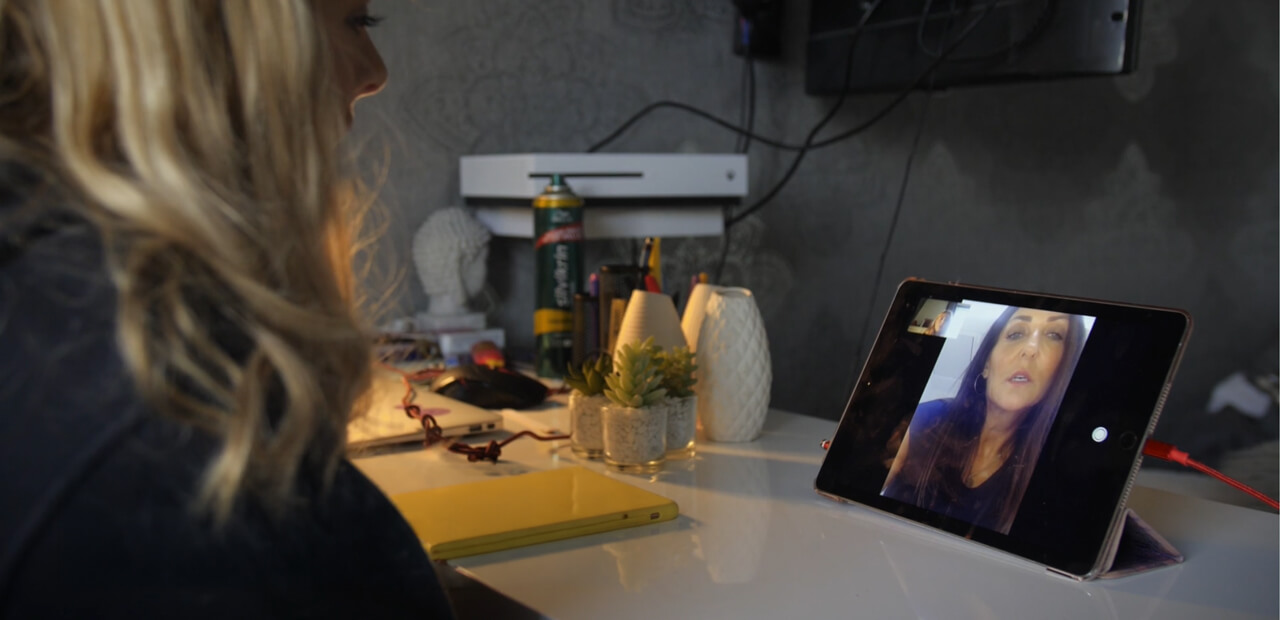
I have now relocated from Hale to London. I now work fully remotely, which means you can access your therapy sessions from anywhere in the world, providing you have a good internet or phone signal.
For individual therapy, sessions are typically one-to-one. However, if you are feeling particularly anxious or have specific needs, please discuss this with me when booking.
For couples therapy, both partners should attend together.
Once therapy has begun, we will usually schedule your next appointment at the end of each session. You can also contact me by email at therapy@lindsaygeorge.co.uk or by text on 07929 523038 to arrange or adjust appointments.
I require a minimum of 48 hours' notice for cancellations or rescheduling. This is standard practice in therapy.
If you cancel with less than 48 hours' notice, the full session fee will be charged.
This policy exists because:
I understand that genuine emergencies do occur. If you experience an emergency, please contact me as soon as possible so that I can try to reschedule your appointment where appropriate.
Please contact me by email at therapy@lindsaygeorge.co.uk or by text on 07929 523038 as soon as you know you need to make a change.
Missed sessions without notice are charged in full.
I understand that unexpected situations arise, but please communicate with me if you are unable to attend. If there are ongoing difficulties with attendance, we can explore together what may be contributing to this. Sometimes attendance issues can form an important part of the therapeutic work itself.
The frequency of sessions will depend on your needs, goals, and what I recommend following our initial discussions.
Common arrangements include:
We will discuss what feels most appropriate for your situation and can adjust this as your needs evolve.
I am a registered member of the British Association for Counselling and Psychotherapy (BACP).
As part of my professional commitment, I:
Unless otherwise agreed, payment is due at least 48 hours before each scheduled session. This helps maintain the professional framework of therapy and supports smooth administration.
I accept:
In a Crisis or Emergency
If You Are Struggling but Not in Crisis
Yes, I am recognised by WPA.
Please note:
I am happy to support you with insurance-related administration where possible, but the financial responsibility remains with you as the client.
I am not available for crisis support outside of scheduled sessions. Therapy is not an emergency service.
If you are experiencing a crisis, please use the emergency and crisis support services listed above.
If you are worried about another person's safety: